Community-based Fire Management
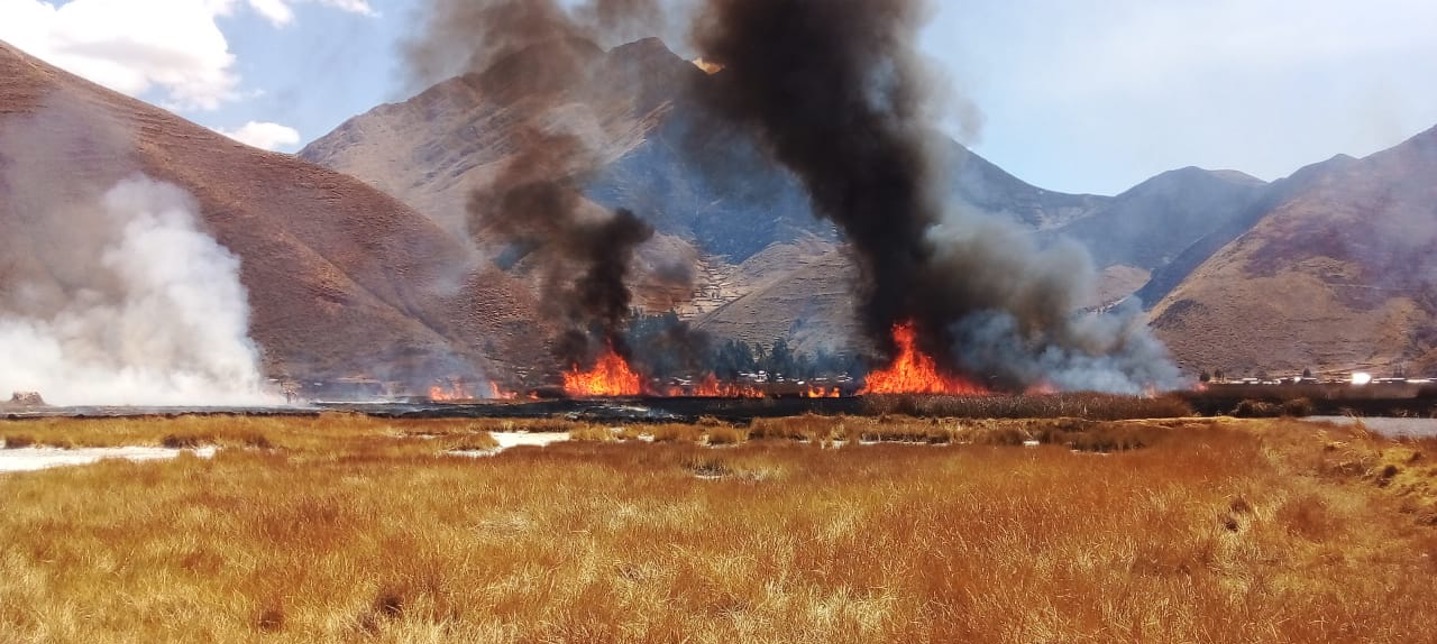
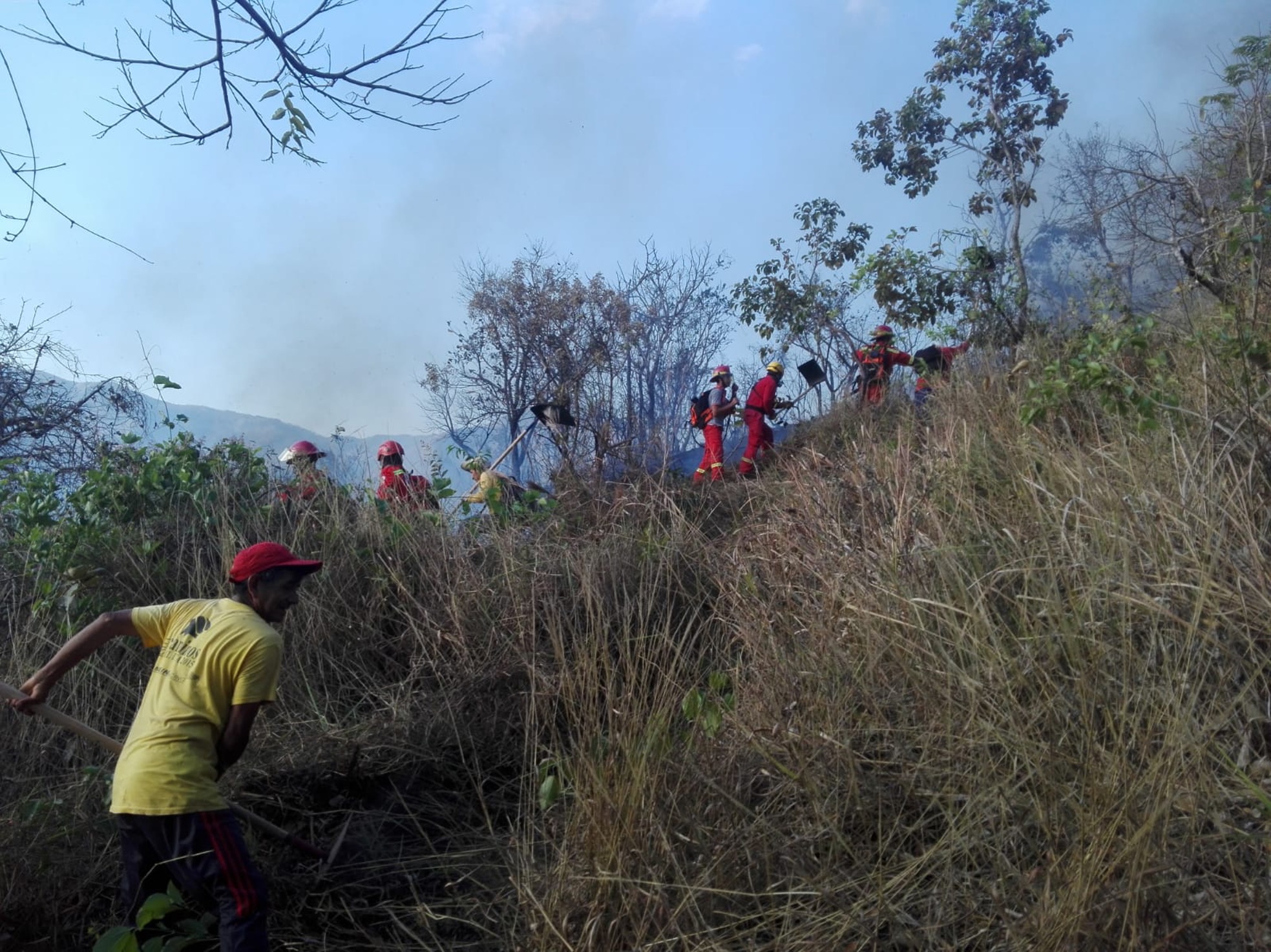
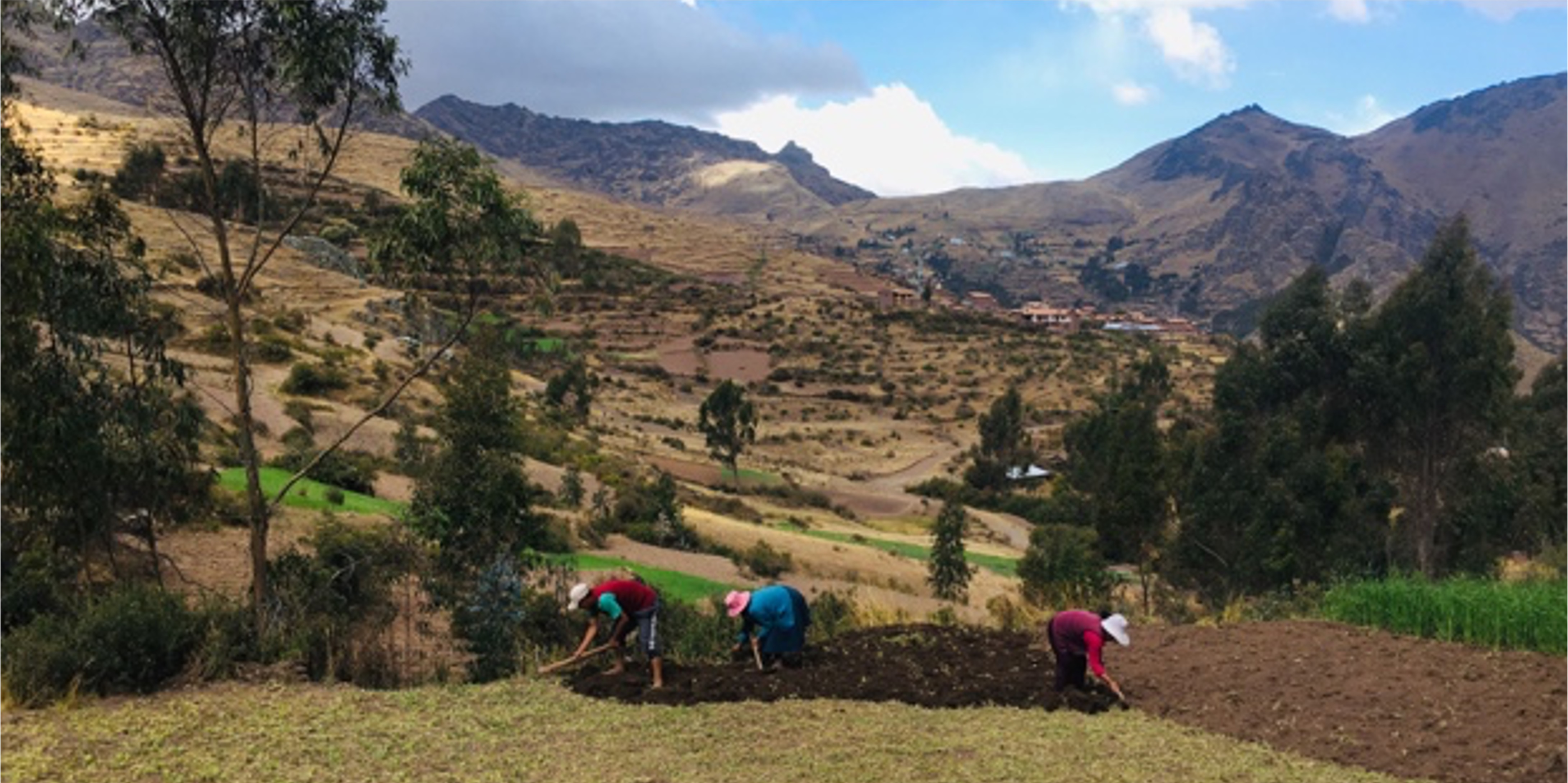
The need for agricultural expansion has increased fire use throughout the tropics. Even though the Tropical Andes has a long history of anthropogenic fires shaping the natural landscape, fire use here has also increased, aggravating local people’s vulnerability to the changing climate. Little is known regarding the local rules for fire management in this region and how these rules are adapted to fit changing socioenvironmental contexts. This is especially important for Quechua communities with long-term local institutions for the governance of shared resources in a good portion of the Tropical Andes. Considering fire as both an agricultural tool and a problem -when uncontrolled-, my doctoral research studies community-based fire management and evaluates stakeholders’ perceptions of the role of fire and the effectiveness of current and potential fire management actions. I am also documenting the traditional ecological knowledge and the role of external institutions (multi-level government, protected areas officials, conservationist NGOs) on fire use and management on communal lands. I use methods: participant observation of agricultural burns, key informant interviews, participatory timelines, Q-methodology, participatory maps and timelines, and review of secondary sources in at least two Quechua communities in Southern Peru. In the later stages of this investigation, I aim for participatory action research that promotes individual and collective learning and a reflection on fire management practices.
Take a look at this short documentary about my research and the pictures below:



Supporting organizations/institutions



 Vanessa Luna-Celino